

Written by MJ- Maggie Jaramillo
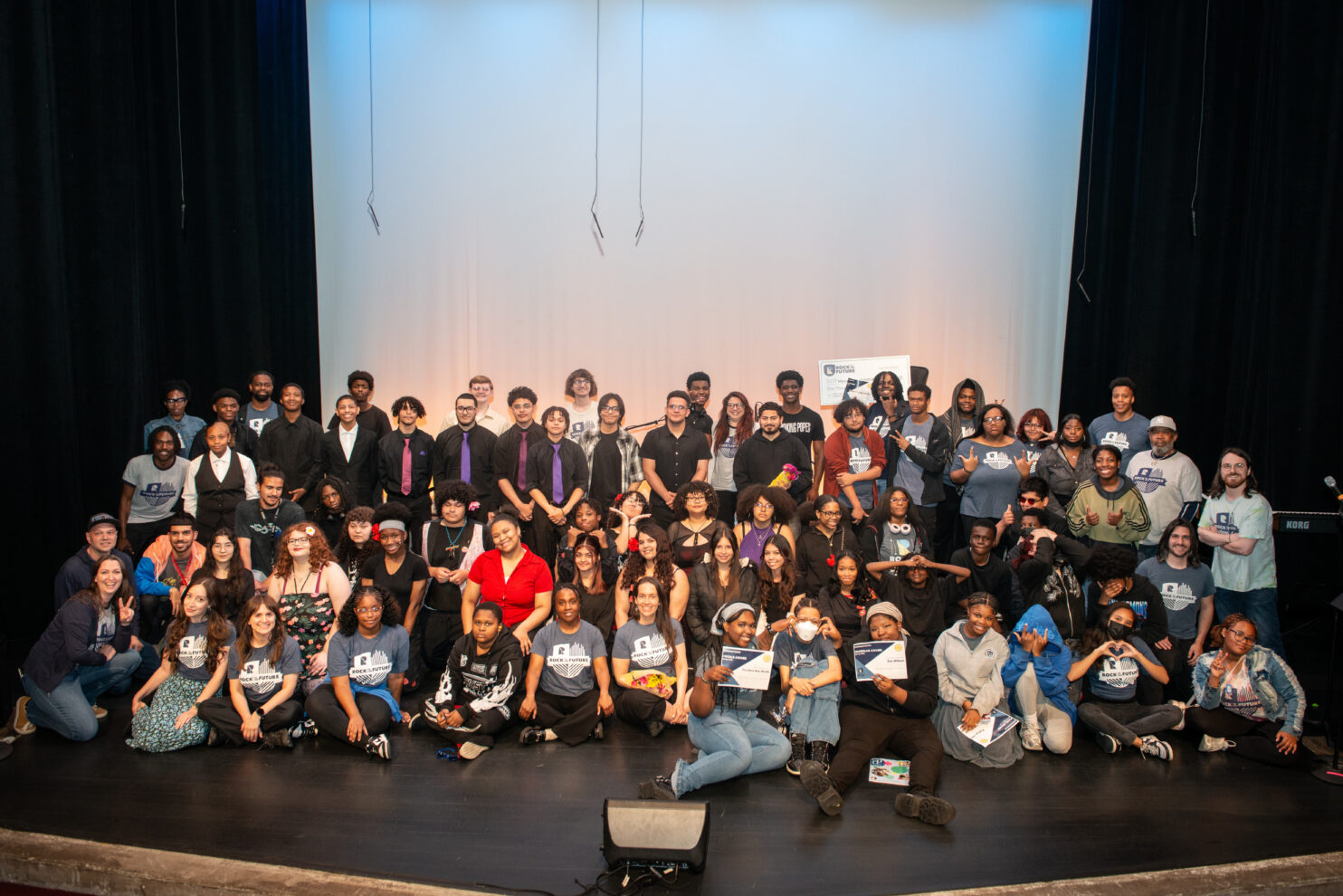
One of the most meaningful moments each year at Rock to the Future is hearing directly from our young participants through feedback and focus groups as they reflect on their journey throughout the year. Youth share stories of growth, connection, and belonging that highlight the impact of our community. Their voices offer powerful insight into the experiences, relationships, and opportunities that shape their time in Rock to the Future programming.
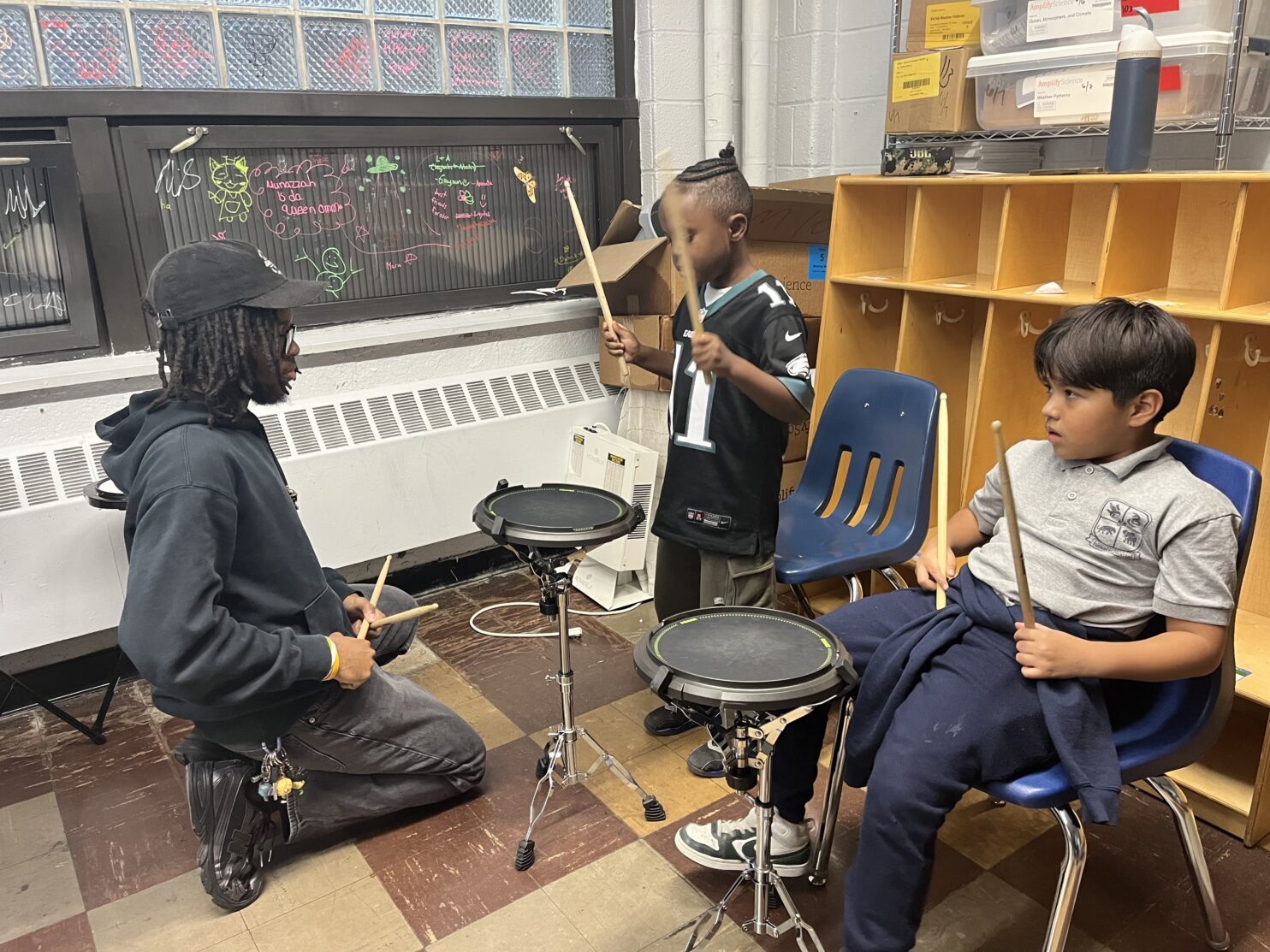
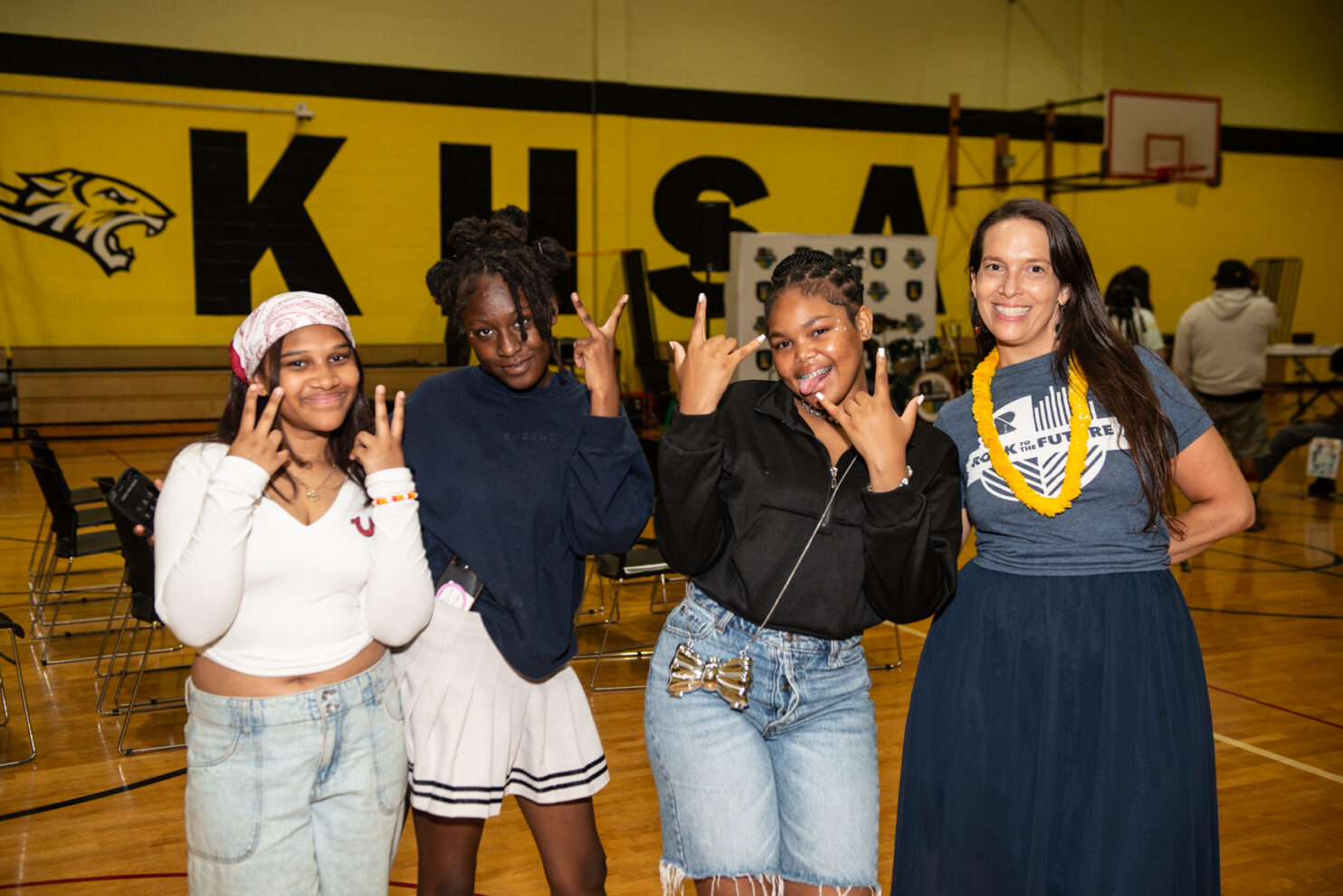
Again and again, young people describe Rock to the Future as a place where they feel seen, heard, and valued. They speak about receiving support as they explore college and career pathways, gain confidence in their education, develop social awareness, and build meaningful relationships with peers and mentors.
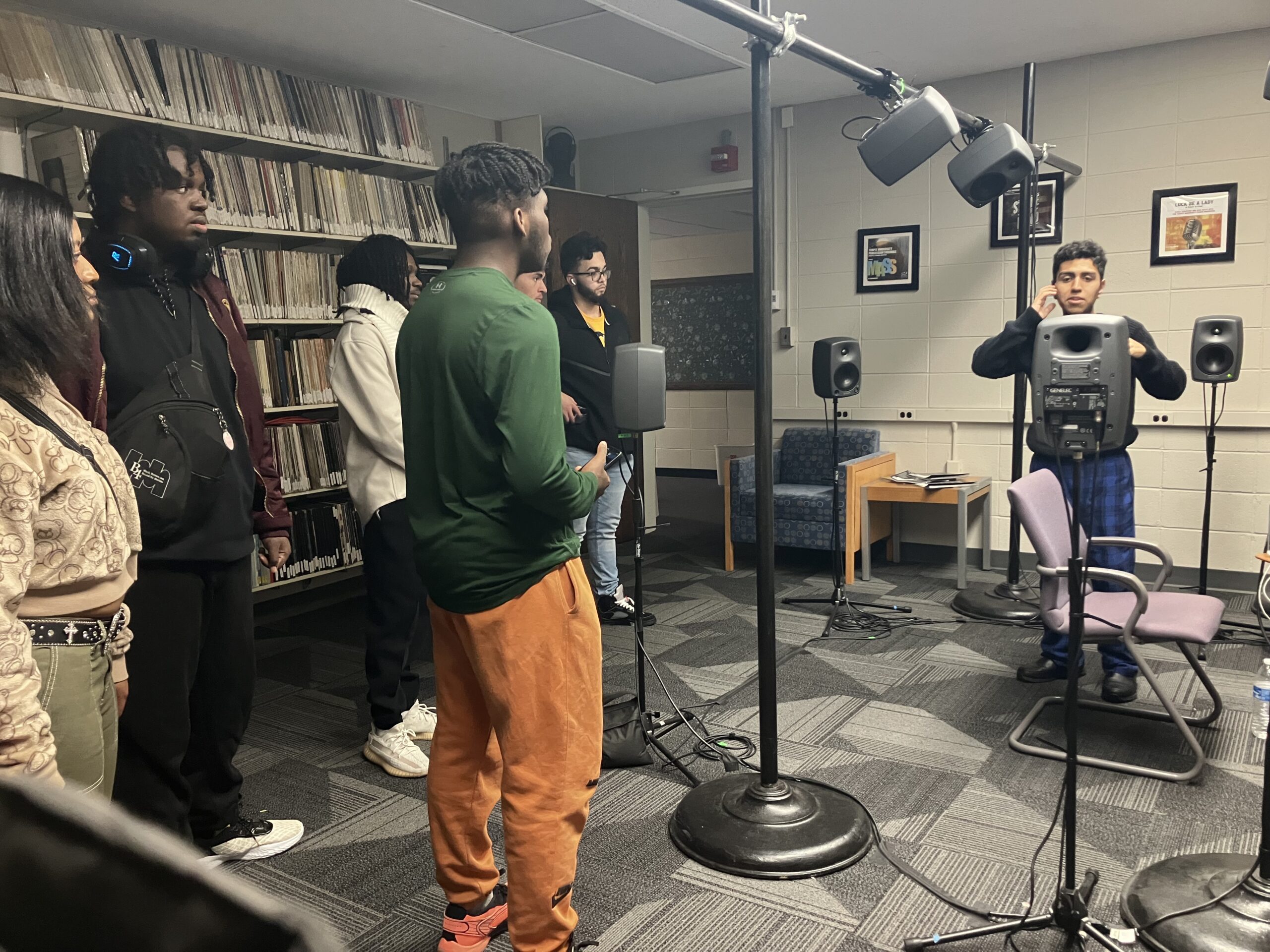
We see this growth not only in their words, but in their actions. The student who once hesitated to speak in front of a group is now the first to raise their hand. Young people who entered our programs quietly now step forward as leaders, modeling confidence, participation, and belonging for newer students. Students across programs reflect on the power of community circles and restorative conversations, sharing how these spaces help them navigate real-life challenges while experiencing curiosity, acceptance, and support from trusted adults.
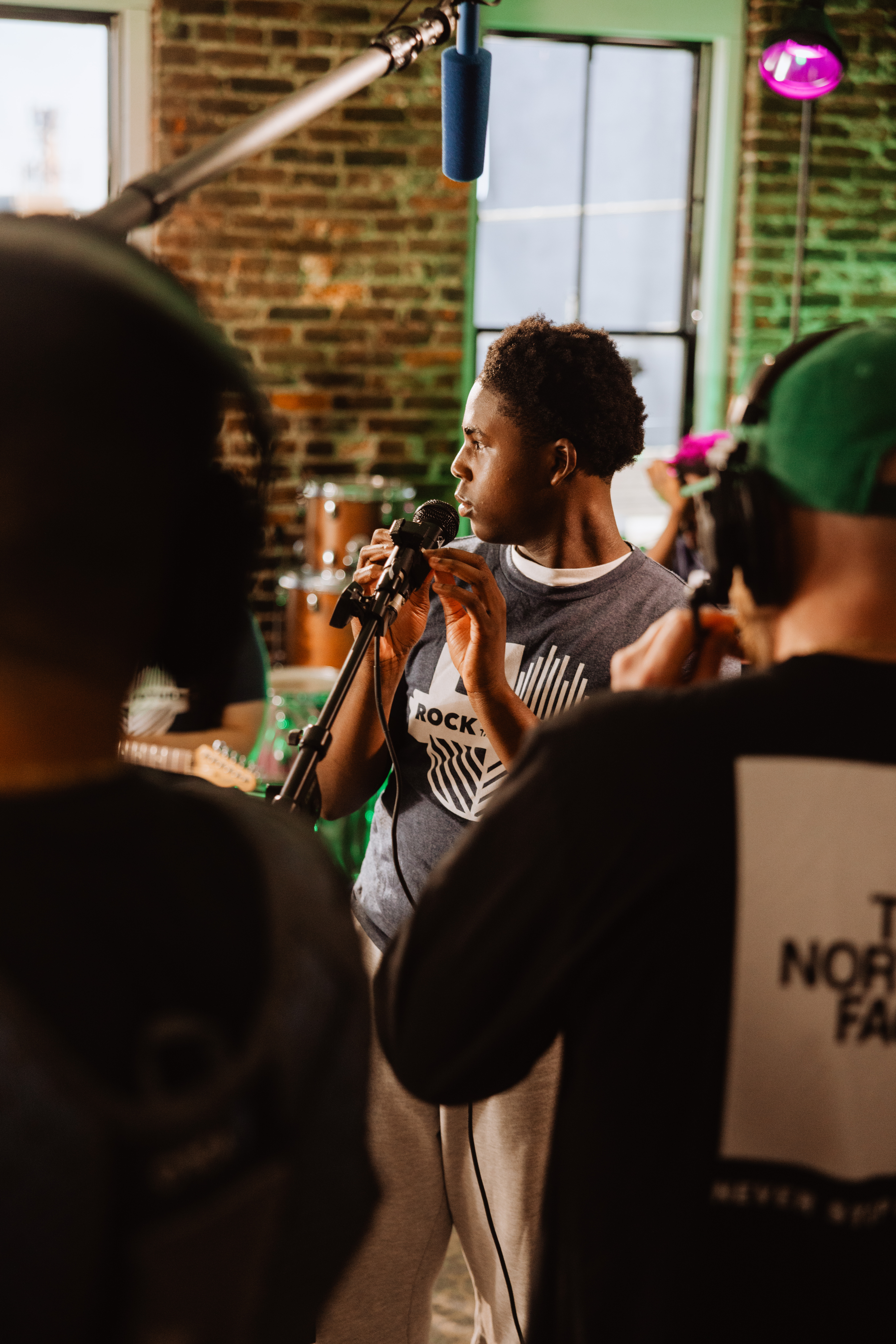
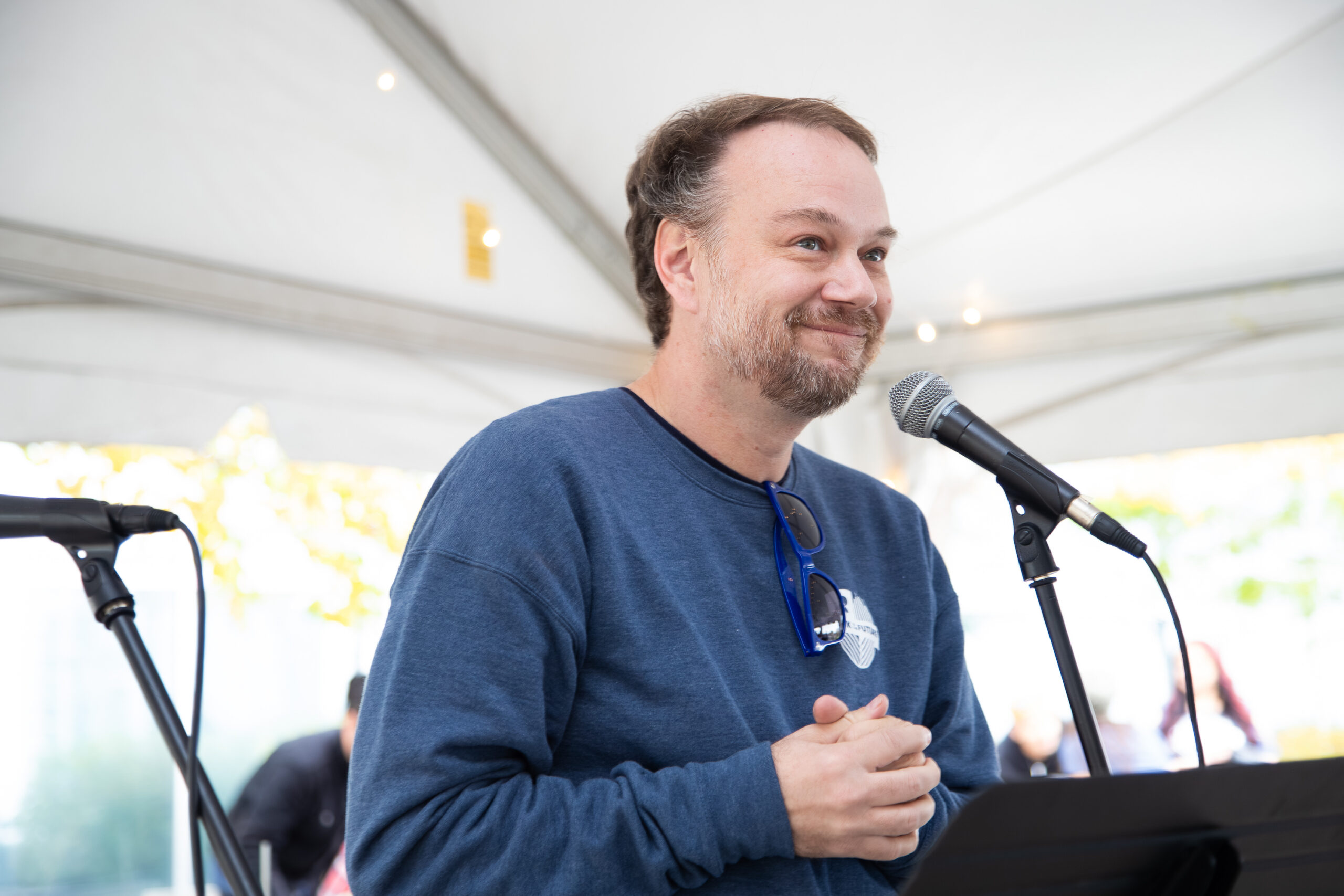
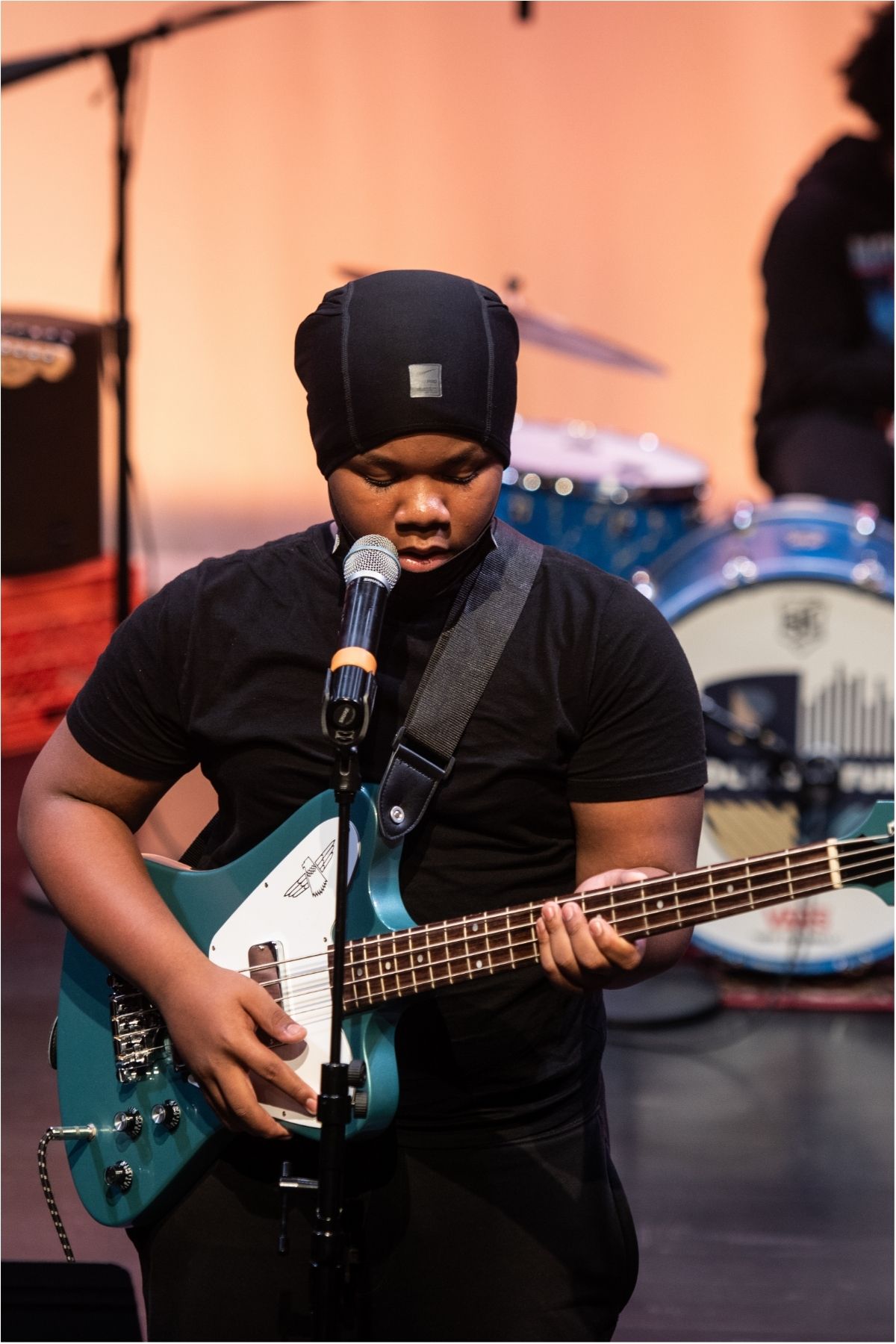
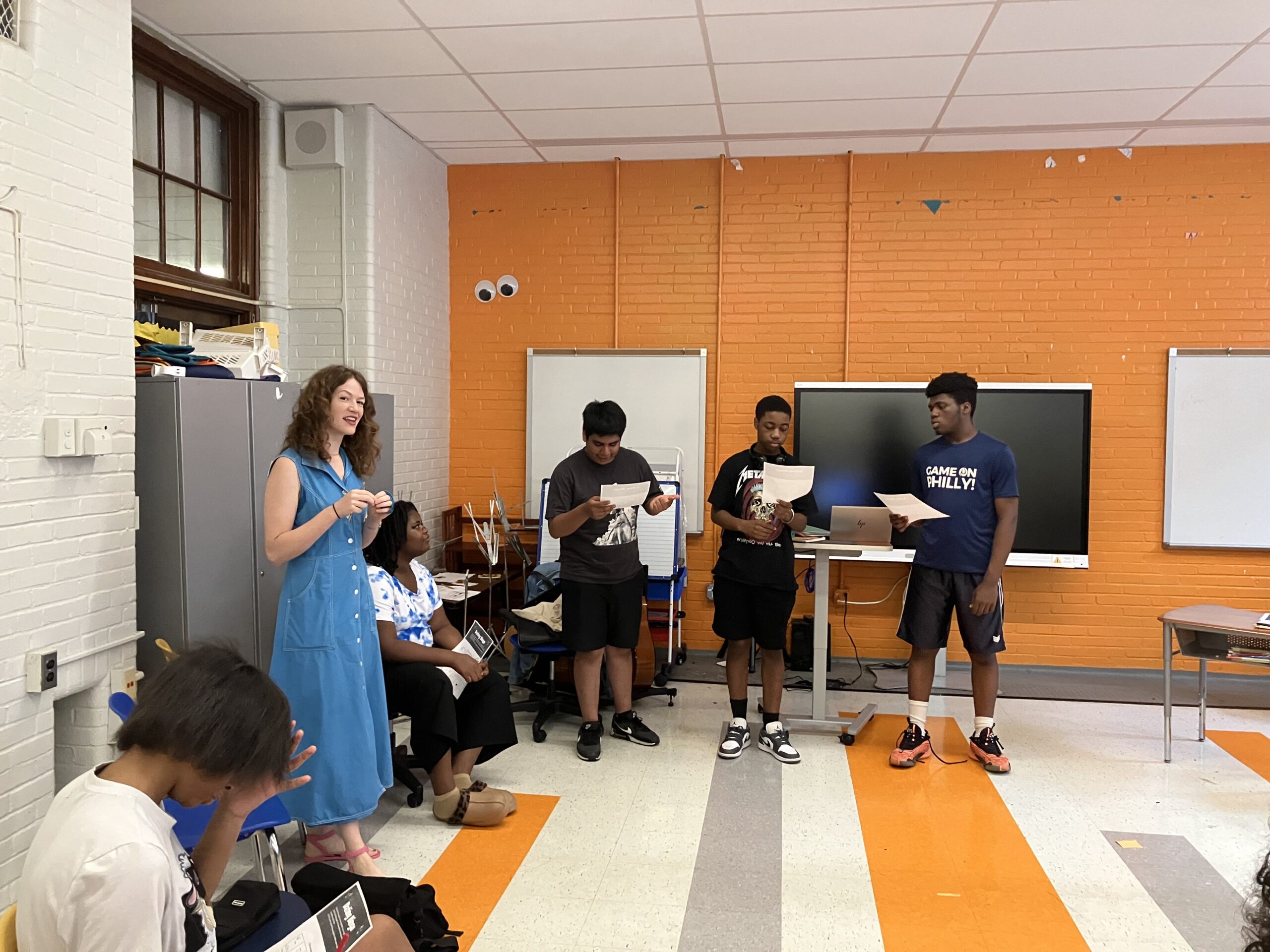
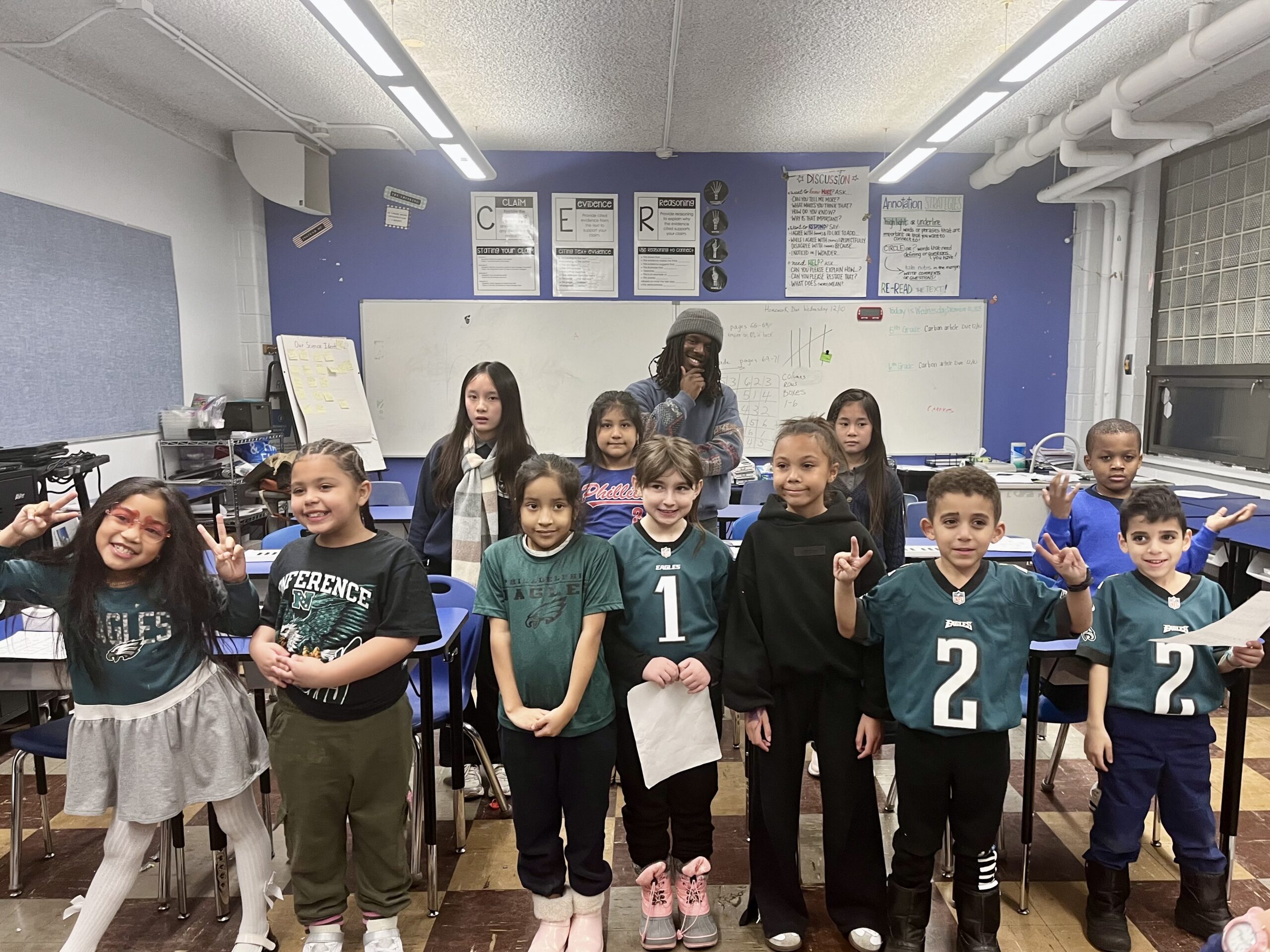
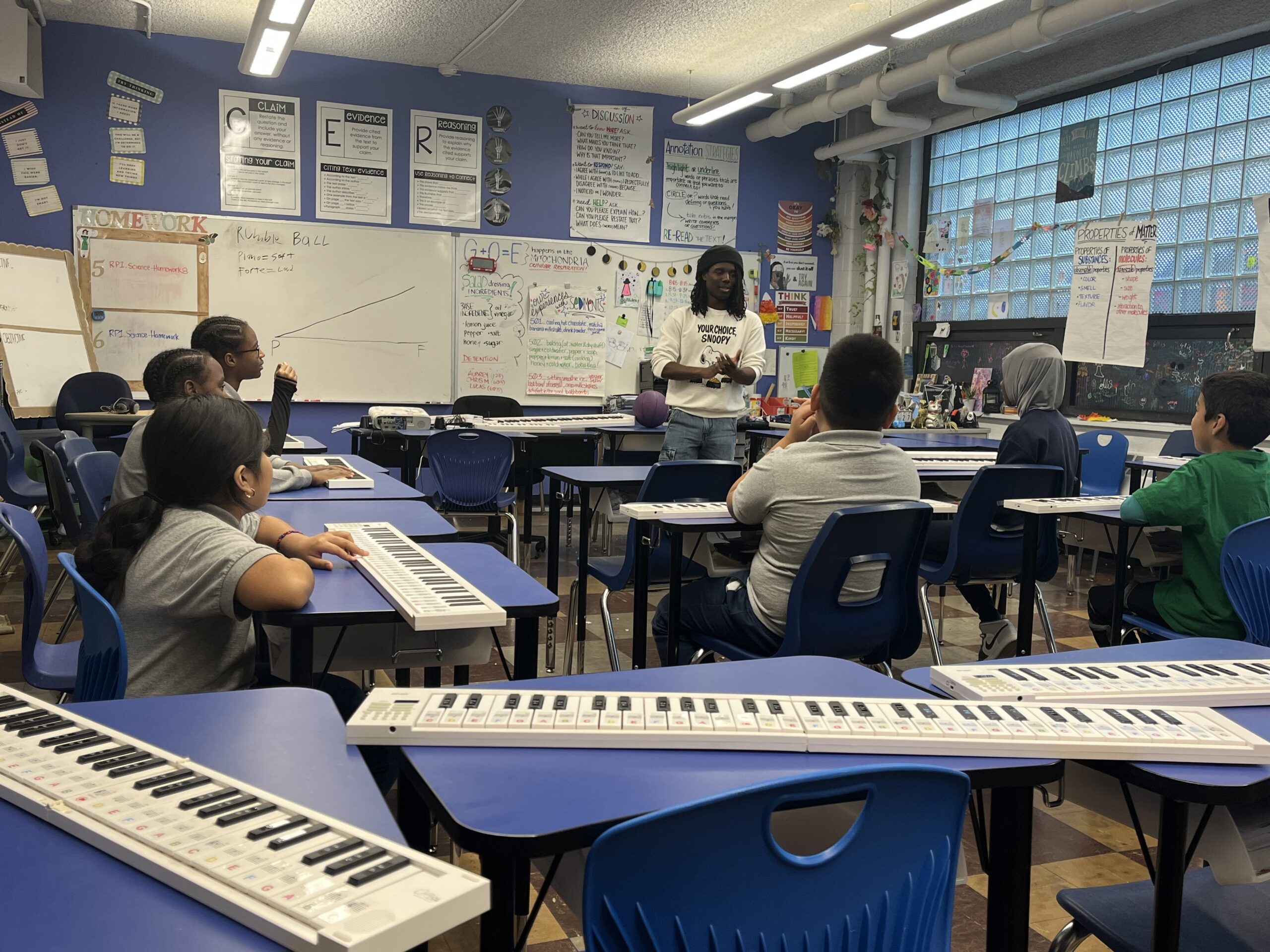
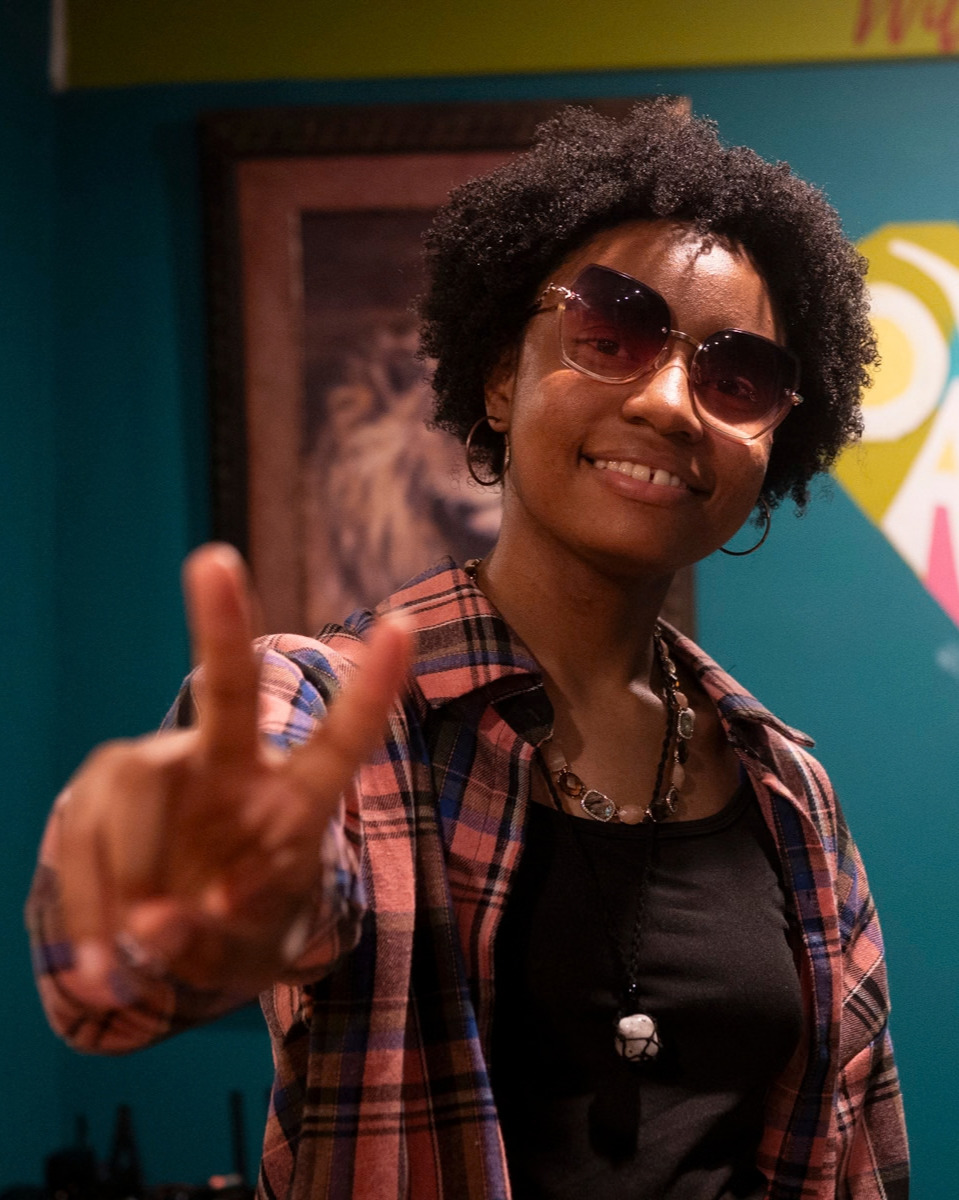
That growth was also evident in opportunities for youth leadership and self-expression throughout the year. Our Youth Engagement Specialist worked closely with participants in the Concert Creator class, supporting young people as they developed the confidence to introduce performers, celebrate one another's accomplishments, and use their voices in new ways. Through storytelling, public speaking, performance, and peer recognition, students discovered new ways to share their experiences and uplift one another.
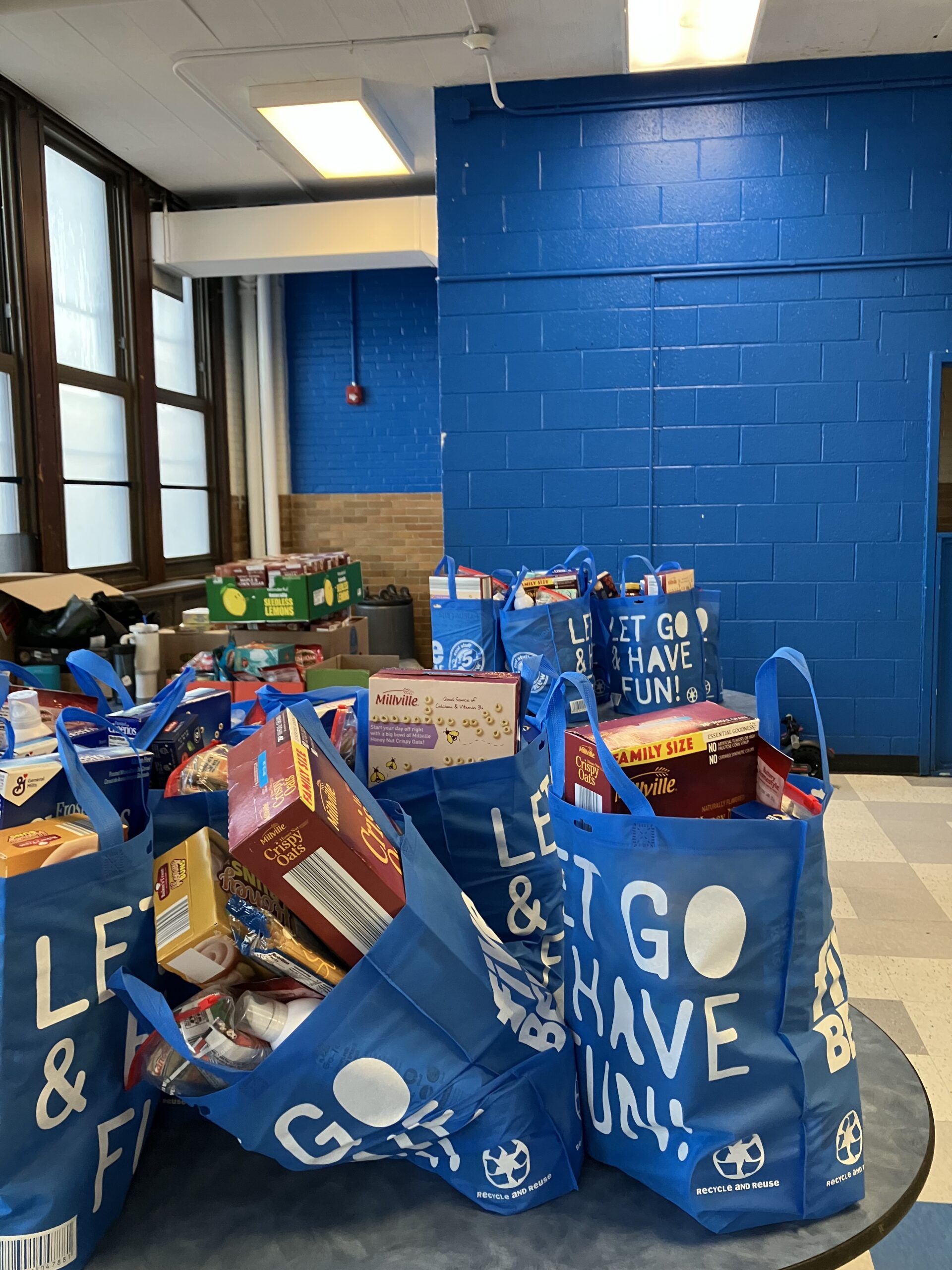
This year, Rock to the Future also responded to real-world challenges impacting the families we serve. Through the trusted relationships built within our programs, young people and caregivers felt comfortable reaching out when additional support was needed. When delays in SNAP benefits created food insecurity for many families, our Youth Engagement Specialist partnered with staff across the organization to coordinate food distribution efforts and connect families with resources.
What could have been a difficult and isolating experience became an opportunity for community care. Students volunteered to help pack and distribute food, staff worked together to create a supportive and positive environment, and families expressed deep appreciation for the collective effort. A challenge became an opportunity to strengthen connections, share resources, and demonstrate the power of community working together.
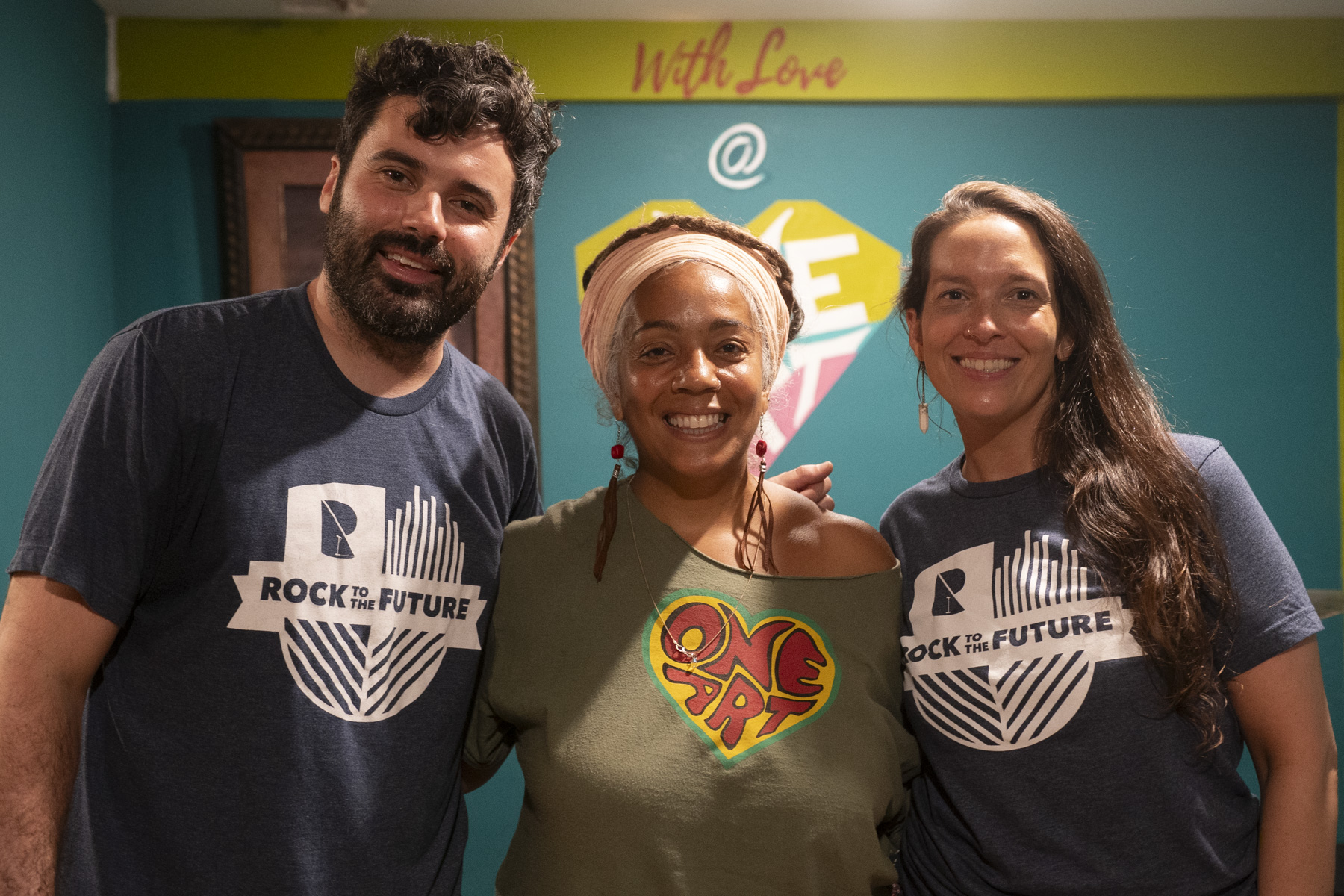
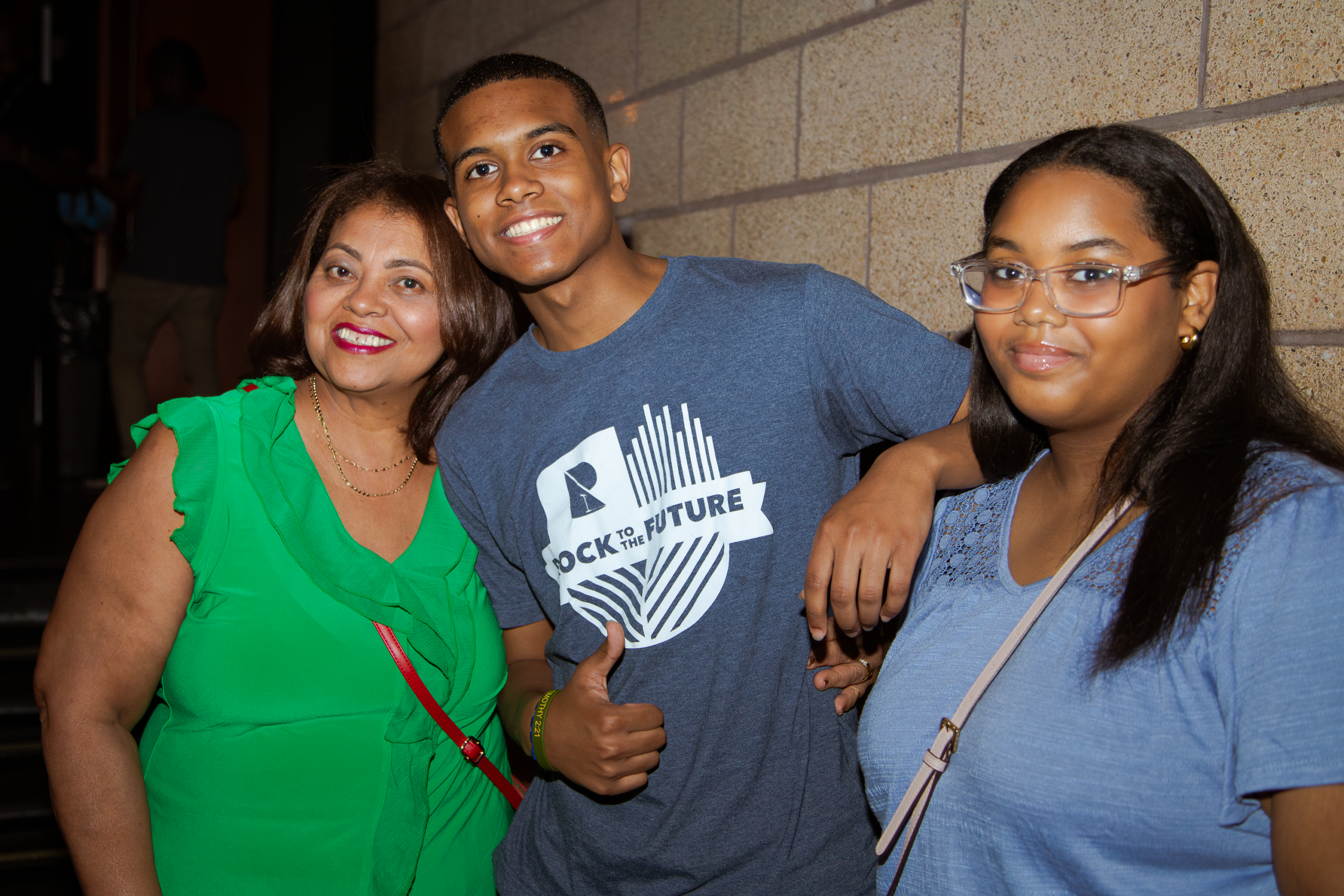
Building on these family-centered efforts, our Youth Engagement Specialist and Director of Programs hosted Rock to the Future's first Parent & Guardian Night. This gathering was designed to celebrate caregivers, thank them for their support, and create opportunities for families to connect with one another and with staff. Families from across our programs came together to share their experiences, build relationships, and strengthen the community surrounding our young people.
Listening to both youth and caregivers also helped us identify opportunities to expand wellness and social-emotional learning supports. In response, Rock to the Future strengthened its partnership with Face to Face, a trusted Germantown community organization that has become an invaluable resource for youth and families.Through this partnership, families have gained access to a range of supports, including assistance with utility needs, family therapy services, legal support, housing resources, and case management.
Extending Our Commitment
Our commitment to youth well-being extends beyond direct services and partnerships, informing how we continue to learn, grow, and strengthen our justice-focused programming. This year, our Youth Engagement Specialist attended the inaugural Youth Summit: From Pain to Power, participating alongside Community Council and the Philadelphia District Attorney's Office. Through an immersive simulation and learning experience, participants gained deeper insight into the challenges faced by justice-involved youth while exploring pathways for advocacy, awareness, and community-driven solutions.
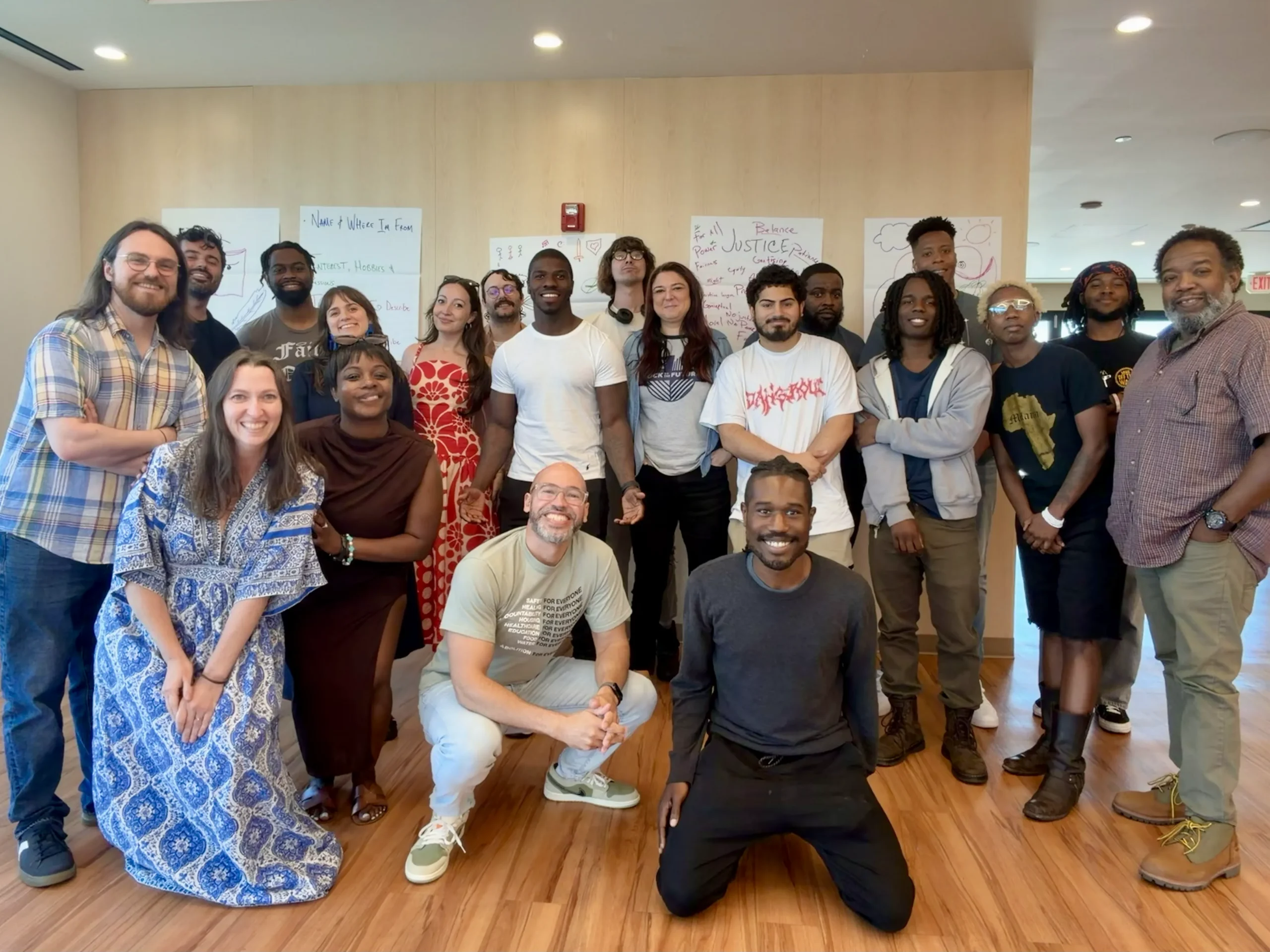
In addition, our team participated together in a weekend restorative practices training facilitated by Let's Circle Up. This immersive learning experience allowed staff to deepen their understanding of restorative circles, strengthen their facilitation skills, and connect with fellow practitioners and organizations doing impactful work throughout the city.
This year has been a remarkable reflection of what is possible when music, mentorship, wellness, family engagement, and community partnerships come together. Through every story shared, every resource provided, and every connection built, we continue to witness the transformative power of belonging and the incredible potential of the young people and families whose voices continue to guide the future of Rock to the Future. Check out our 2025-2026 Impact Report to see how these stories are reflected in our numbers.